Five elements person
What Is the Five Elements Personality Test?
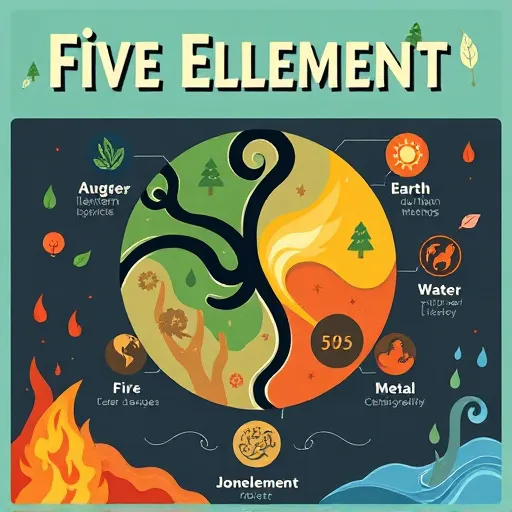
So you've probably seen the five elements personality test meaning floating around your feed lately—maybe a friend posted their result or a coworker brought it up over coffee. Here's the deal: this test maps your dominant traits onto five archetypal energies—Wood, Fire, Earth, Metal, and Water. These aren't literal substances sitting in your body, obviously. They're metaphors for behavioral patterns and personality archetypes that traditional systems of thought have observed in people for centuries. The core idea behind the five elements personality test meaning is simple—most of us lean heavily toward one or two elements, and that particular mix shapes our personality type, our emotional tendencies, and even our decision-making style.
Fast forward to 2026, and the test has seriously evolved. Modern versions often pair self-assessment questions with algorithms that analyze your behavioral patterns and psychological archetypes. Some platforms even weave in positive psychology frameworks, which is a big reason why the five elements personality test meaning has become so much richer than it was a decade ago. It's not just "you're a Fire type, congrats" anymore—it's a full-on self-discovery tool that people use for personal growth, career development, and relationship compatibility. That shift alone explains a lot about why the five elements personality test meaning keeps showing up in wellness and coaching spaces.
Wood Personality Traits: The Visionary Builder and Strategic Thinker in Five Elements
Alright, let's break down what each element actually means when it shows up as your dominant personality—this is where the five elements personality test meaning really comes alive. If Wood is your dominant element, you're likely driven, ambitious, and a natural strategic thinker. Wood personalities are the ones who see the forest AND the trees—they're great at long-term planning and goal setting. The flip side? They can be inflexible and prone to frustration when things don't grow fast enough. In the language of the five elements personality test meaning, Wood represents expansion and forward momentum. People with strong Wood energy often thrive in leadership roles and entrepreneurial ventures, but they need to watch out for burnout and impatience.
Fire Personality Traits: The Charismatic Connector and Social Energy in Five Elements
Fire types are the spark plugs of the personality world—warm, expressive, and magnetic. The five elements personality test meaning for Fire centers on passion, enthusiasm, and social connection. Fire personalities are often the life of the party, natural communicators, and deeply intuitive about other people's emotions. They excel in relationship building and creative expression. However, Fire can burn out quickly, and these personalities sometimes struggle with emotional regulation and impulsivity. Understanding this side of the five elements personality test meaning helps Fire types channel their energy more sustainably instead of crashing hard.
Earth Personality Traits: The Grounded Nurturer and Emotional Stability in Five Elements
Earth is all about stability, reliability, and care. If you're an Earth personality, you're probably the friend everyone calls when they need advice or a home-cooked meal. The five elements personality test meaning for Earth emphasizes nurturing, loyalty, and practical wisdom. Earth types are excellent at team collaboration, conflict resolution, and creating emotional safety in groups. Their challenge is often overthinking and self-neglect—they give so much to others that they forget to recharge. In 2026, plenty of wellness platforms highlight Earth personalities as the backbone of healthy workplace culture.
Metal Personality Traits: The Analytical Perfectionist and Strategic Execution in Five Elements
Metal types are sharp, disciplined, and detail-oriented. The five elements personality test meaning for Metal revolves around structure, precision, and inner clarity. These are the planners, the editors, the quality-control experts. Metal personalities excel in analytical thinking, problem-solving, and strategic execution. They value order and can struggle with emotional expression and flexibility. A key insight from the five elements framework is that Metal types often need to practice letting go—of expectations, of perfectionism, of the need to control outcomes.
Water Personality Traits: The Intuitive Deep Thinker and Emotional Intelligence in Five Elements
Water is the element of wisdom, adaptability, and emotional depth. Water personalities are introspective, imaginative, and highly attuned to subtle cues. The five elements personality test meaning for Water highlights intuition, resilience, and emotional intelligence. These types often excel in creative fields, research, and counseling. Their growth edge is boundary setting and decisiveness—Water can flow so easily that it sometimes struggles to commit to a direction.
Why the Five Elements Personality Test Meaning Matters for Holistic Self-Awareness in 2026
You might be wondering—with all the personality frameworks out there, why does this one matter right now? The answer is that 2026's cultural moment is obsessed with holistic self-awareness. People are tired of reductive labels. The five elements personality test meaning offers something richer—it's a dynamic system that acknowledges you're not just one thing. You can have a dominant element and a secondary one, and those can shift over time based on life experience and personal development. Search interest in the five elements personality test meaning has been climbing steadily because people want to understand the "so what" behind their results. It's not enough to know you're a Fire type—you want to know how that affects your communication style, your career fit, and your relationships. That's exactly what the five elements personality test meaning delivers when you dig into it.
Practical Uses of Five Elements Personality Results for Career Development and Relationships
Here's where things get practical. Understanding the five elements personality test meaning is only useful if you actually apply it. First, identify your strengths—lean into what your element does best. Wood types should embrace their vision; Earth types should own their nurturing power. Second, spot your blind spots—every element has a shadow side. Fire's impulsiveness, Metal's rigidity, Water's indecision—naming these is the first step to managing them. Third, improve your relationships by understanding someone else's element, which can dramatically boost communication and empathy. If you're Wood and your partner is Water, you now get why you clash on decision speed. Fourth, optimize your work life—many career coaches in 2026 use the five elements framework for team building and role alignment. Putting a Metal type in charge of quality control and an Earth type in charge of team morale? Smart move. Finally, support emotional well-being—each element corresponds to emotional patterns, and recognizing yours helps you build better coping strategies and stress management habits.
Modern Psychology and the Five Elements Personality Test: Temperament Theory and Emotional Intelligence
Let's be clear—the five elements personality test meaning isn't a clinical diagnostic tool. It's a self-reflection framework. That said, modern psychology has found real value in archetypal systems because they give people accessible language for complex inner experiences. The five elements personality test meaning aligns loosely with concepts like temperament theory and emotional intelligence, and many wellness professionals use it as a conversation starter in coaching and counseling settings. In 2026, the most credible versions of the test are transparent about this—they don't claim to be scientific instruments. Instead, they position themselves as personal development tools, and that's exactly how you should use them. Take the result as a mirror, not a mandate.
Common Misconceptions About the Five Elements Personality Test Meaning and Personality Archetypes
Before we wrap up, let's clear up a few myths that pop up constantly. Myth one: your element never changes. Reality—most frameworks recognize that your dominant element can shift with major life changes, personal growth, and emotional development. Myth two: one element is "better" than others. Reality—each element has strengths and weaknesses, and the goal isn't to be a "better" type but to build self-awareness and balance. Myth three: the test is purely mystical. Reality—while rooted in traditional thought, modern interpretations lean heavily on behavioral psychology and personality research. Myth four: it's the same as other personality quizzes. Reality—the five elements framework is more dynamic and holistic than most binary systems, emphasizing interconnectedness rather than rigid categories. Getting clear on these misconceptions is a big part of understanding the true five elements personality test meaning.
So what's the real takeaway? The five elements personality test meaning isn't about boxing you in—it's about giving you a vocabulary for understanding your patterns, your strengths, and your growth areas. Whether you're a Wood visionary, a Fire spark, an Earth anchor, a Metal perfectionist, or a Water intuitive, the test's power lies in how you use the insight. Take the results lightly, reflect deeply, and let the five elements personality test meaning guide you toward a more balanced, self-aware version of yourself.