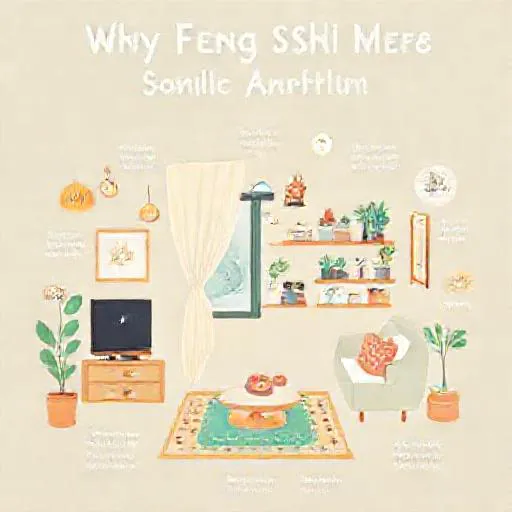
Small spaces demand
Why Feng Shui Matters More in Small Apartments
Here's the thing about compact living spaces: energy behaves differently when square footage shrinks. In a sprawling house, a stagnant corner or a cluttered entryway can go unnoticed for months on end. But in a 500-square-foot apartment? Every blocked doorway and every pile of unopened mail messes with the flow of qi (life force energy) almost instantly. Feng shui practitioners love to point out that compact homes amplify both positive and negative energy, which means your layout decisions carry way more weight than you'd think. That's exactly why feng shui tips for small apartment layout have become such a hot topic in 2026—urban living keeps getting tighter, and folks are realizing that intentional spatial design isn't a luxury anymore. It's a necessity.
Modern city life in 2026 leans hard toward smaller footprints—micro-apartments, converted lofts, and shared living arrangements are all on the rise. The good news? Small apartments are actually easier to optimize once you grasp a few core principles: command position, the bagua map, the five elements, and the balance of yin and yang. These aren't just abstract concepts—they're practical tools, and the best feng shui tips for small apartment layout boil down to applying them with intention.
The Command Position and Bagua Map in a Compact Apartment Layout
The command position is one of the most fundamental feng shui concepts out there. It means placing key furniture—especially your bed and desk—so you have a clear view of the door without being directly in line with it. In a tiny apartment, this can feel impossible. But here's a workaround: if your bed has to sit against the same wall as the door, use a mirror or a reflective surface to create a visual sightline. Just avoid mirrors directly facing the bed, which is considered disruptive to rest. For desks, the same rule applies—position your workspace so your back isn't toward the entrance. If your apartment layout forces a compromise, a small tabletop mirror or a strategically placed plant can soften that "unprotected" back feeling. These kinds of feng shui tips for small apartment layout might seem small, but they make a huge difference in how a room feels.
Entryway and Front Door: The Mouth of Qi in a Small Apartment
In feng shui, the front door is called the "mouth of qi"—the primary entry point for energy. In a small apartment, entryways are often cramped, dark, or doubling as storage zones. That's a problem. A cluttered or dim entryway can cause energy to stagnate before it ever reaches the rest of your home. So what do the best feng shui tips for small apartment layout suggest here?
- Clear the path: Remove shoes, bags, and mail piles from the immediate entry zone. Use closed storage—a slim cabinet or a bench with hidden compartments—rather than open hooks and bins.
- Brighten it up: Add a warm-toned light fixture or a small lamp near the door. Good lighting activates qi and makes the whole space feel more welcoming.
- Add a plant or a scent: A small potted greenery or a subtle essential oil diffuser near the entrance invites fresh energy.
- Use a mirror wisely: A mirror in the entryway can visually expand the space and reflect energy inward—just don't let it face the front door directly, which is believed to push energy back out.
If your apartment door opens straight into your living space (super common in studios), create a subtle "foyer effect" with a room divider, a bookshelf, or a sheer curtain. This establishes a transition zone and prevents energy from rushing through. Simple feng shui tips for small apartment layout like this one can totally change how a studio feels.
Living Room Layout: Flow Over Furniture and Yin-Yang Balance
The living room is where most of us spend our waking hours, and in a small apartment, it often doubles as a dining area, home office, or even a guest room. The key feng shui principle here is flow—keeping pathways clear and avoiding furniture arrangements that create sharp corners or dead ends.
In feng shui, sharp corners are called "poison arrows" (sha qi). In tight spaces, coffee tables, shelf edges, and even TV stands can point directly at your sofa or chairs. Soften these with rounded furniture, plants, or fabric throws. If you can't replace furniture, drape a cloth over the offending edge or place a plant in front of it. A rug can also anchor the room—choose one that covers at least the front legs of your seating furniture. This creates groundedness and helps delineate the living area from adjacent zones.
Small apartments tend to skew toward either too much yin (dark, quiet, cluttered) or too much yang (bright, noisy, chaotic). Aim for balance. Use soft lighting, natural materials, and muted tones for yin, and add bright accents, mirrors, and lively plants for yang. In 2026, smart lighting systems make it easier than ever to adjust the mood throughout the day—warm, dim light in the evening and brighter, cooler light in the morning. These are the kinds of practical feng shui tips for small apartment layout that actually fit modern life.
Bedroom Layout: Rest, Restoration, and Bed Placement Rules
Your bedroom should be a yin-dominant space—calm, dark, and restful. In a small apartment, this can be challenging, especially if your bedroom also serves as a workspace or storage area. Here are the most impactful adjustments, and yes, they count as essential feng shui tips for small apartment layout:
- Keep work out of the bedroom: If possible, avoid bringing laptops, paperwork, or exercise equipment into the bedroom. If you must, store them out of sight when not in use.
- Choose a solid headboard: A solid headboard provides support and a sense of stability. Avoid open, slatted headboards if you can.
- Under-bed storage—use with caution: While storage beds are a small-apartment staple, feng shui practitioners often advise against storing too much under the bed, as it can create stagnant energy. If you must, keep it to soft items like linens, and avoid sharp or heavy objects.
- No mirrors facing the bed: This is a classic feng shui rule. Mirrors facing the bed are believed to disrupt sleep and amplify restless energy. If your closet doors have mirrors, consider curtains or a screen.
- Soften the lighting: Avoid harsh overhead lights in the bedroom. Use bedside lamps with warm bulbs and consider blackout curtains for better rest.
Kitchen, Dining, and Bathroom: Containment and Nourishment in a Small Apartment
The kitchen represents nourishment, abundance, and health in feng shui. In a small apartment, kitchen layouts are often compact and open-plan, which can create challenges—especially if the kitchen is visible from the front door or directly adjacent to the bedroom. The stove is considered the "heart" of the kitchen. A clean, well-maintained stove is believed to support prosperity and health, so wipe it down daily and avoid letting dirty dishes pile up in the sink. If your apartment has an open-plan layout where the kitchen faces the bed or living area, use a screen, a shelf, or a curtain to create a visual barrier. This helps contain cooking energy and prevents it from disrupting restful spaces.
Even in a tiny apartment, designate a small dining spot—a bistro table, a fold-down counter, or a corner bench. Round tables are preferred in feng shui because they encourage conversation and avoid sharp corners. As for the bathroom? Bathrooms are considered "draining" spaces in feng shui because water carries energy away. Keep the toilet lid closed, close the bathroom door (especially if it's visible from your bed or main living area), add a moisture-loving plant like a small fern or pothos, and fix leaks promptly. Dripping faucets are believed to symbolize draining resources. These feng shui tips for small apartment layout are easy to overlook but seriously impactful.
Decluttering and the Bagua Map: Non-Negotiable Feng Shui Tips for Small Apartment Layout
You can't feng shui your way around clutter. In small apartments, clutter is the single biggest obstacle to good energy flow. The bagua map—the feng shui energy map that divides spaces into nine life areas—works best when each zone is clear and intentional. Clutter in the wealth corner? That's a problem. Clutter in the relationship corner? Also a problem. In 2026, minimalism continues to dominate interior design trends, and for good reason. Here's a practical decluttering framework that doubles as some of the most effective feng shui tips for small apartment layout:
- The one-in, one-out rule: For every new item you bring home, remove one similar item.
- Vertical storage: Use wall shelves and tall, slim cabinets to maximize storage without eating floor space.
- Hidden storage over open storage: Open shelves can look stylish, but they also attract visual clutter. Favor closed cabinets and drawers where possible.
- Seasonal rotation: Store off-season clothing and items in vacuum bags or under-bed boxes, and rotate them in and out.
- The 10-minute reset: Spend ten minutes each evening returning items to their proper places. This small habit prevents clutter from accumulating.
Five Elements, Plants, Lighting, and Mirrors: Bringing Balance to Your Small Apartment
Feng shui's five elements—wood, fire, earth, metal, and water—should all be represented in a balanced home. In small apartments, this is easier than it sounds. You don't need elaborate decor; you just need to be intentional about materials and colors. Wood means wooden furniture, bamboo blinds, plants, and green accents. Fire brings candles, warm lighting, red or orange accents, and a small fireplace (even an electric one). Earth shows up as ceramic pots, stone coasters, terracotta tones, and square shapes. Metal includes metallic frames, white or gray accents, and round shapes. Water covers a small fountain, glass vases, blue or black accents, and mirrors. If a room feels too heavy or stagnant, add a water or metal element. If it feels too cold or sterile, add wood or fire. In 2026, sustainable materials like reclaimed wood, recycled glass, and natural stone are both trendy and perfectly aligned with feng shui principles.
Plants are one of the easiest and most effective feng shui tools for small apartments. They purify air, add visual interest, and introduce living wood energy. Favor rounded, soft-leafed plants like pothos, peace lilies, or rubber plants over sharp, spiky varieties. Avoid dead or dying plants—they symbolize stagnant energy. When it comes to lighting, layer ambient, task, and accent lights, and favor warm, adjustable options. In 2026, smart bulbs and circadian lighting systems make it easy to shift from energizing yang light in the morning to calming yin light in the evening. Avoid fluorescent lights, which are considered harsh and disruptive in feng shui. And mirrors? They're a small-apartment essential for making rooms feel larger, but mind the placement. Don't place mirrors directly facing the front door or the bed. Do use mirrors to reflect beautiful views, plants, or artwork—and to brighten dark hallways or corners. These feng shui tips for small apartment layout around the five elements and yin and yang balance are the finishing touches that pull everything together.